

Ramadan is a month of immense blessings, spiritual reflection, and divine connection.
Among the many acts of worship that Muslims engage in during this sacred month, dua (supplication) holds a special place.
It is a direct line of communication with Allah (SWT), a moment when a believer pours their heart out, seeking guidance, forgiveness, and blessings.
In this article, we’ll explore the power of dua in Ramadan, its significance in the light of the Quran and Hadith, and how you can make the most of this spiritual tool to transform your life.
Why Is Dua So Powerful in Ramadan?
Ramadan is not just about abstaining from food and drink; it’s about nourishing the soul and strengthening our relationship with Allah.
شَهْرُ رَمَضَانَ ٱلَّذِىٓ أُنزِلَ فِيهِ ٱلْقُرْءَانُ هُدًۭى لِّلنَّاسِ وَبَيِّنَـٰتٍۢ مِّنَ ٱلْهُدَىٰ وَٱلْفُرْقَانِ ۚ
The Quran describes Ramadan as the month in which the Quran was revealed as a “guidance for mankind and clear proofs of guidance and criterion” (Quran 2:185).
This makes it a time of heightened spirituality, where the gates of heaven are open, the gates of hell are closed, and the devils are chained (Sahih Bukhari).
In such a spiritually charged atmosphere, dua becomes even more potent. Allah (SWT) is closer to His servants during Ramadan, and He loves to hear from us.
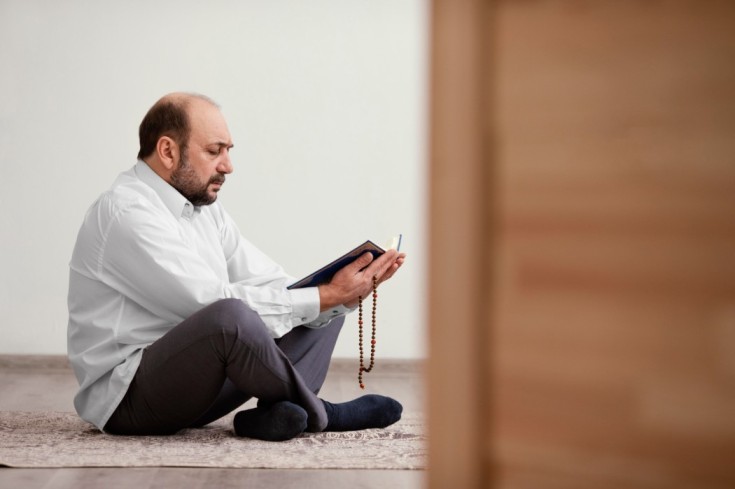
The Prophet Muhammad (PBUH) said:
"There are three whose supplication is not rejected: the fasting person until he breaks his fast, the just leader, and the supplication of the oppressed." (Tirmidhi)
This Hadith highlights the unique status of a fasting person’s dua, making Ramadan the perfect time to seek Allah’s mercy and blessings.
The Quranic Perspective on Dua
The Quran repeatedly emphasizes the importance of dua, reminding us that Allah is always listening. One of the most beautiful verses about dua is:
“And your Lord says, ‘Call upon Me; I will respond to you.’ Indeed, those who disdain My worship will enter Hell [rendered] contemptible.” (Quran 40:60)
This verse is a direct invitation from Allah to call upon Him, assuring us that He will answer.
In Ramadan, this promise feels even more tangible. Another powerful verse states:
“When My servants ask you concerning Me, indeed I am near. I respond to the invocation of the supplicant when he calls upon Me.” (Quran 2:186)
These verses remind us that dua is not just a ritual; it’s a conversation with our Creator.
Ramadan amplifies this connection, making it the ideal time to turn to Allah with sincerity and hope.
The Prophet’s (PBUH) Teachings on Dua
The Prophet Muhammad (PBUH) was a living example of someone who constantly turned to Allah in dua.
He taught his followers the importance of supplication and provided guidance on how to make effective dua.
One of the most profound Hadiths about dua is:
"Dua is the essence of worship." (Tirmidhi)
This Hadith underscores the centrality of dua in a Muslim’s life. The Prophet (PBUH) also said:
“Nothing can change the Divine decree except dua.” (Ibn Majah)
This means that dua has the power to alter our destiny, making it a crucial tool for overcoming challenges and achieving our goals.
In Ramadan, the Prophet (PBUH) would increase his supplications, especially during the last ten nights.
He would seek Laylatul Qadr (the Night of Decree) with intense devotion, knowing that dua on this night is better than a thousand months of worship (Quran 97:3).
How to Make Effective Dua in Ramadan
Making dua is not just about reciting words; it’s about connecting with Allah on a deeper level.
Here are some tips to make your dua more impactful during Ramadan:
1. Be Sincere and Humble
Allah loves those who come to Him with a humble heart. The Quran says:
“Call upon your Lord in humility and privately; indeed, He does not like transgressors.” (Quran 7:55)
Approach dua with sincerity, acknowledging your weaknesses and dependence on Allah.
2. Choose the Best Times for Dua
Certain times are more conducive to having your dua accepted. In Ramadan, these include:
- – During Suhoor (pre-dawn meal): The last third of the night is a blessed time for dua.
- – While Fasting: As mentioned earlier, the dua of a fasting person is highly esteemed.
- – During Iftar: The moment of breaking your fast is a powerful time to ask Allah for your needs.
- – In Sujood (prostration): The Prophet (PBUH) said, “The closest a servant is to his Lord is when he is in prostration.” (Sahih Muslim)

3. Use the Names of Allah
Allah has 99 beautiful names, each reflecting His attributes.
When making dua, call upon Him using names that relate to your request.
For example, if you’re seeking forgiveness, call upon Al-Ghaffar (The All-Forgiving).
If you’re in need of provision, call upon Ar-Razzaq (The Provider).
4. Be Specific and Persistent
The Prophet (PBUH) taught us to be specific in our dua and to repeat it three times. He also encouraged persistence, saying:
“Every one of you should ask Allah for everything he needs, even if it is a shoelace, because if Allah does not make it easy, it will not be possible.” (Tirmidhi)
5. Combine Dua with Good Deeds
In Ramadan, pair your dua with acts of worship like giving charity, reading Quran, and performing Taraweeh prayers.
Good deeds elevate your dua and bring you closer to Allah.
Stories of Dua in Ramadan
Throughout Islamic history, there are countless stories of dua being answered in miraculous ways during Ramadan.
One such story is that of Maryam (AS), the mother of Prophet Isa (AS). When she was in labor, she made a heartfelt dua:
“I wish I had died before this and was in oblivion, forgotten.” (Quran 19:23)
Allah responded by providing her with dates and a stream of water, easing her pain and nourishing her.
This story reminds us that even in our darkest moments, Allah is there to answer our calls.
Another inspiring example is the dua of Prophet Yunus (AS) when he was in the belly of the whale:
“There is no deity except You; exalted are You. Indeed, I have been of the wrongdoers.” (Quran 21:87)
Allah saved him from his predicament because of his sincere and humble dua.
The Transformative Power of Dua in Ramadan
Ramadan is a month of transformation, and dua is one of the most powerful tools for personal and spiritual growth.
When you make dua, you’re not just asking for things; you’re acknowledging your dependence on Allah, strengthening your faith, and aligning your heart with His will.
The Prophet (PBUH) said:
“Whoever does not ask Allah, He becomes angry with him.” (Tirmidhi)
This Hadith reminds us that dua is not optional; it’s a fundamental part of our relationship with Allah.
In Ramadan, when the spiritual atmosphere is at its peak, take advantage of this opportunity to transform your life through dua.
Conclusion: Embrace the Power of Dua This Ramadan
As we journey through Ramadan, let’s remember that dua is our greatest weapon and our most intimate connection with Allah.
Whether you’re seeking forgiveness, guidance, or blessings, Ramadan is the time to ask with confidence and hope.
Allah says in the Quran:
“And whoever fears Allah – He will make for him a way out and will provide for him from where he does not expect. And whoever relies upon Allah – then He is sufficient for him.” (Quran 65:2-3)
This Ramadan, let’s turn to Allah with open hearts, trusting in His mercy and power.
Let’s make dua not just for ourselves but for our loved ones, our Ummah, and the entire world.
After all, the power of dua in Ramadan is limitless, and its rewards are eternal.
For Halal Business Listing Visit and Sign Up on Muslimee.com


