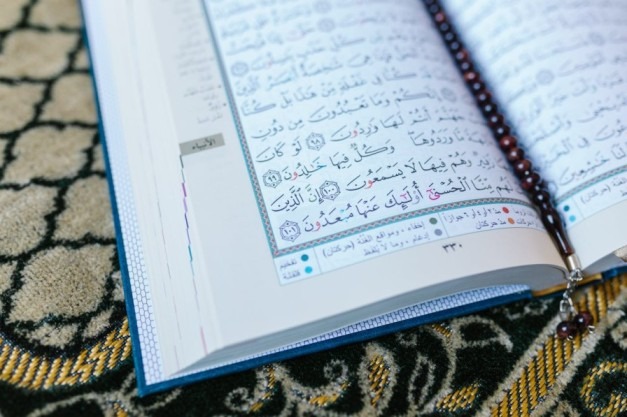

Understanding Tahara in Islam
In Islam, Tahara (طهارة) refers to spiritual and physical purity, a fundamental aspect of a Muslim’s life.
It is not just about cleanliness but also about attaining a state of holiness that allows a person to perform acts of worship, such as Salah (prayer), with sincerity and devotion.
The concept of Tahara is deeply rooted in the Quran and Sunnah, emphasizing its importance in a Muslim’s daily routine.
But what exactly does Tahara entail? How does it impact our faith and daily lives?
Let’s explore this essential Islamic principle in detail.
What Is Tahara? Definition and Importance
Tahara, derived from the Arabic root “Tah-hara” (طهر), means purification or cleanliness. In Islamic teachings, it has two main dimensions:
1. Physical Purity (Outward Cleanliness) – Removing physical impurities from the body, clothes, and surroundings.
2. Spiritual Purity (Inward Cleanliness) – Purifying the heart from sins, doubts, and negative intentions.

Why Is Tahara So Important in Islam?
Allah (SWT) says in the Quran:
وَيَسْـَٔلُونَكَ عَنِ ٱلْمَحِيضِ ۖ قُلْ هُوَ أَذًۭى فَٱعْتَزِلُوا۟ ٱلنِّسَآءَ فِى ٱلْمَحِيضِ ۖ وَلَا تَقْرَبُوهُنَّ حَتَّىٰ يَطْهُرْنَ ۖ فَإِذَا تَطَهَّرْنَ فَأْتُوهُنَّ مِنْ حَيْثُ أَمَرَكُمُ ٱللَّهُ ۚ إِنَّ ٱللَّهَ يُحِبُّ ٱلتَّوَّٰبِينَ وَيُحِبُّ ٱلْمُتَطَهِّرِينَ
“Indeed, Allah loves those who are constantly repentant and loves those who purify themselves.”
(Quran 2:222)
The Prophet Muhammad (ﷺ) also emphasized cleanliness, stating:
"Cleanliness is half of faith."
(Sahih Muslim 223)
This shows that Tahara is not just a ritual but a core part of Iman (faith).
Without purification, many acts of worship, such as prayer, reciting Quran, or performing Tawaf around the Kaaba, become invalid.
Types of Tahara in Islam
Tahara can be categorized into different types, each with its own rulings and significance.
1. Tahara from Hadath (Ritual Impurity)
Hadath refers to a state of impurity that requires Wudu (ablution) or Ghusl (full bath) to remove. There are two types:
– Minor Hadath – Broken by actions like passing wind, sleeping, or using the bathroom. Requires Wudu to purify.
– Major Hadath – Caused by major impurities like sexual intercourse, menstruation, or postnatal bleeding. Requires Ghusl.
Quranic Reference:
يَـٰٓأَيُّهَا ٱلَّذِينَ ءَامَنُوٓا۟ إِذَا قُمْتُمْ إِلَى ٱلصَّلَوٰةِ فَٱغْسِلُوا۟ وُجُوهَكُمْ وَأَيْدِيَكُمْ إِلَى ٱلْمَرَافِقِ وَٱمْسَحُوا۟ بِرُءُوسِكُمْ وَأَرْجُلَكُمْ إِلَى ٱلْكَعْبَيْنِ ۚ وَإِن كُنتُمْ جُنُبًۭا فَٱطَّهَّرُوا۟ ۚ
“O you who have believed, when you rise to [perform] prayer, wash your faces and your forearms to the elbows and wipe over your heads and wash your feet to the ankles. And if you are in a state of janabah (major impurity), then purify yourselves…”
(Quran 5:6)
2. Tahara from Najasah (Physical Impurities)
Najasah refers to actual filth that must be cleaned from the body, clothes, or prayer area. Examples include:
– Urine and feces
– Blood (except minor amounts)
– Pig and dog saliva
– Alcohol and intoxicants
The Prophet (ﷺ) said:
“Most of the punishment in the grave is due to urine.”
(Sunan Ibn Majah 342)
This highlights the importance of proper hygiene in Islam.
3. Spiritual Tahara (Purification of the Heart)
Beyond physical cleanliness, Islam emphasizes inner purity freeing the heart from hatred, arrogance, and sins.
Allah (SWT) says:
“He has certainly succeeded who purifies himself and remembers the name of his Lord and prays.”
(Quran 87:14-15)
This includes:
- – Repentance (Tawbah)
- – Avoiding sins and backbiting
- – Cultivating good character
How to Achieve Tahara? Step-by-Step Guide
1. Performing Wudu (Ablution)
Wudu is required before Salah, touching the Quran, and other acts of worship.
Steps of Wudu (Based on Sunnah):
1. Intention (Niyyah) – Silently intend to perform Wudu for purification.
2. Say “Bismillah” – Begin in the name of Allah.
3. Wash hands (3 times) – Up to the wrists.
4. Rinse mouth & nose (3 times) – Sniff water in and out.
5. Wash face (3 times) – From hairline to chin.
6. Wash arms up to elbows (3 times) – Right first, then left.
7. Wipe the head (once) – With wet hands.
8. Wipe the ears (once) – Inside and behind.
9. Wash feet up to ankles (3 times) – Right first, then left.
Hadith: The Prophet (ﷺ) said:
“Whoever performs Wudu like this, his previous sins will be forgiven.”
(Sahih Muslim 245)
2. Performing Ghusl (Ritual Bath)
Ghusl is required after major impurities.
Steps of Ghusl:
1. Intention (Niyyah) – Purify yourself from major impurity.
2. Wash hands and private parts.
3. Perform Wudu (as above).
4. Pour water over the head (3 times).
5. Wash the entire body, ensuring no part is left dry.
Quranic Command:
“If you are in a state of janabah, then purify yourselves.”
(Quran 5:6)
3. Tayammum (Dry Ablution)
When water is unavailable or harmful (due to illness), Tayammum is performed using clean soil or dust.
Steps:
1. Intention (Niyyah).
2. Strike hands on clean earth.
3. Wipe the face and arms.
Quranic Permission:
"But if you are ill or on a journey or one of you comes from the place of relieving himself or you have contacted women and do not find water, then seek clean earth and wipe over your faces and hands with it."
(Quran 4:43)
Common Misconceptions About Tahara
1. “Water Must Always Be Used for Purification”
While water is preferred, Tayammum is allowed when water is unavailable or harmful.
2. “Women Can’t Touch the Quran During Menstruation”
Scholars differ, but many agree that menstruating women can recite (but not touch) the Quran without Wudu.
3. “Only Wudu is Needed Before Salah”
If in a state of major impurity (Janabah), Ghusl is mandatory before Salah.
The Spiritual Benefits of Tahara
1. Draws You Closer to Allah – Purity is a means of attaining Allah’s love.
2. Increases Barakah (Blessings) – Cleanliness brings divine blessings.
3. Protects from Diseases – Islam promotes hygiene for health.
4. Prepares for Salah with Khushu’ (Humility) – A clean body leads to a focused mind.
Hadith:
"The key to Paradise is Salah, and the key to Salah is Wudu."
(Musnad Ahmad 22415)
Conclusion: Make Tahara a Daily Habit
Tahara is not just a ritual it’s a way of life in Islam.
By maintaining physical and spiritual purity, we fulfill a crucial aspect of our faith and draw closer to Allah (SWT).
Action Steps:
✔ Perform Wudu before prayers
✔ Keep your clothes and surroundings clean
✔ Purify your heart from sins and negativity
Let’s strive to embody the Prophet’s (ﷺ) teaching:
“Purification is half of faith.”
By doing so, we ensure our worship is accepted and our lives are filled with barakah and divine blessings.
Would you like a printable Wudu/Ghusl guide? Share your thoughts in the comments!
Glossary
- Wudu (ablution)
- Barakah (Blessings)
- Ghusl (Bath, major ablution)
- Khushu (Humility, specifically when one is praying Salah )
- Janabah (State of impurity one needs to take bath)
- Tayammum (Dry Ablution)
For Halal Business Listing Visit and Sign Up on Muslimee.com