

A Spiritual Journey of a Lifetime
Ramadan, the holy month of fasting, prayer, and reflection, is a time when Muslims around the world seek to deepen their connection with Allah (SWT).
Among the many acts of worship during this blessed month, performing Umrah holds a special place.
Often referred to as the “lesser pilgrimage,” Umrah is a deeply spiritual experience that can be undertaken at any time of the year.
However, performing Umrah in Ramadan carries unique blessings and rewards.
In this article, we’ll explore how to perform Umrah, its obligatory duties, how it differs from Hajj, the best time to perform it, and its profound importance.
Let’s embark on this spiritual journey together!
What is Umrah?
Umrah is an Islamic pilgrimage to the holy city of Makkah, Saudi Arabia.
Unlike Hajj, which is obligatory for every able Muslim at least once in their lifetime, Umrah is a voluntary act of worship.
However, it is highly recommended and holds immense spiritual significance.
The word “Umrah” means “to visit a populated place,” and in this context, it refers to visiting the Kaaba, the House of Allah, and performing specific rituals.
The Prophet Muhammad (peace be upon him) said:
“Perform Hajj and Umrah consecutively; for they remove poverty and sin as the bellows removes impurity from iron.” (Sunan Ibn Majah)
This Hadith highlights the transformative power of Umrah, especially when performed with sincerity and devotion.

How is Umrah Performed? Step-by-Step Guide
Performing Umrah involves a series of rituals that symbolize unity, humility, and devotion to Allah (SWT).
Here’s a step-by-step guide to help you understand the process:
1. Entering the State of Ihram
Before entering Makkah, pilgrims must enter the state of Ihram, a sacred state of purity and intention. This involves:
– Ghusl (ritual purification).
– Wearing the Ihram garments: For men, this consists of two white, unstitched cloths, while women can wear modest clothing that covers their body except for the face and hands.
– Making the intention (Niyyah) for Umrah by saying: “Labbaik Allahumma Umrah” (O Allah, I answer Your call to perform Umrah).
The Ihram signifies equality and detachment from worldly distractions, allowing pilgrims to focus solely on worship.
2. Tawaf: Circling the Kaaba
Upon arriving at Masjid al-Haram, pilgrims perform Tawaf, which involves circling the Kaaba seven times in a counterclockwise direction.
This act symbolizes the unity of Muslims worldwide in their worship of Allah (SWT).
During Tawaf, pilgrims recite supplications and prayers, seeking Allah’s mercy and forgiveness.
The Quran mentions the Kaaba in Surah Al-Baqarah (2:125):
وَإِذْ جَعَلْنَا ٱلْبَيْتَ مَثَابَةًۭ لِّلنَّاسِ وَأَمْنًۭا وَٱتَّخِذُوا۟ مِن مَّقَامِ إِبْرَٰهِـۧمَ مُصَلًّۭى ۖ
“And mention when We made the House a place of return for the people and a place of security.”
3. Sa’i: Walking Between Safa and Marwah
After Tawaf, pilgrims perform Sa’i, which involves walking seven times between the hills of Safa and Marwah.
This ritual commemorates the struggle of Hajar (AS), the wife of Prophet Ibrahim (AS), who ran between these hills in search of water for her son Ismail (AS).
Allah (SWT) says in the Quran (2:158):
“Indeed, Safa and Marwah are among the symbols of Allah.
So whoever makes Hajj pilgrimage to the House or performs Umrah – there is no blame upon him for walking between them.”
4. Halq or Taqsir: Shaving or Trimming the Hair
The final step of Umrah is Halq (shaving the head) for men or Taqsir (trimming a small portion of hair) for women.
This act symbolizes humility and the completion of the Umrah rituals.
Obligatory Duties of Umrah
While Umrah is a voluntary act of worship, it has specific obligatory duties that must be fulfilled for it to be valid:
- Ihram: Entering the state of Ihram from the designated Miqat (boundary).
- Tawaf: Circling the Kaaba seven times.
- Sa’i: Walking between Safa and Marwah seven times.
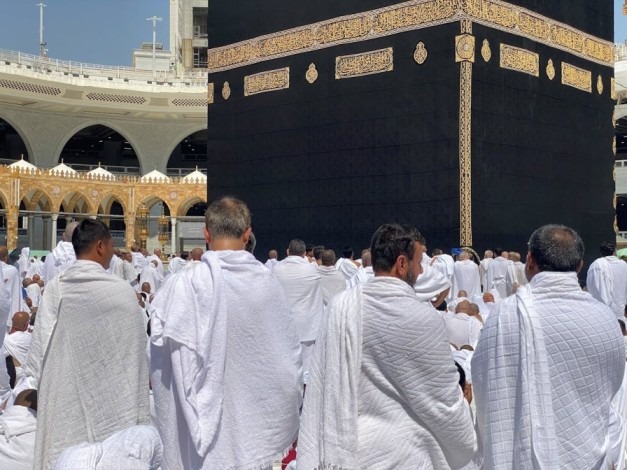
If any of these duties are missed, the Umrah is incomplete and must be repeated.
How is Umrah Different from Hajj?
While both Umrah and Hajj are pilgrimages to Makkah, they differ in several ways:
- Obligation: Hajj is one of the five pillars of Islam and is obligatory for every able Muslim. Umrah, on the other hand, is voluntary but highly recommended.
- Timing: Hajj can only be performed during specific days of the Islamic month of Dhul-Hijjah. Umrah can be performed at any time of the year.
- Rituals: Hajj involves more rituals, such as standing at Arafat, spending the night in Muzdalifah, and stoning the Jamarat. Umrah is simpler and shorter in duration.
Why Perform Umrah in Ramadan?
Performing Umrah in Ramadan is especially virtuous due to the unique blessings of this holy month. The Prophet Muhammad (peace be upon him) said:
“Umrah in Ramadan is equivalent to Hajj.” (Sahih Bukhari)
This Hadith underscores the immense reward of performing Umrah during Ramadan.
Additionally, Ramadan is a time when the gates of Paradise are opened, the gates of Hell are closed, and devils are chained.
The spiritual atmosphere in Makkah during Ramadan is unparalleled, making it an ideal time for Umrah.
The Best Time to Perform Umrah
While Umrah can be performed at any time, certain periods are more rewarding:
1. Ramadan: As mentioned, Umrah in Ramadan carries the reward of Hajj.
2. The Last Ten Nights of Ramadan: These nights include Laylat al-Qadr (the Night of Decree), which is better than a thousand months.
3. Off-Peak Seasons: Performing Umrah during less crowded times allows for a more peaceful and focused experience.
The Importance of Umrah
Umrah holds profound spiritual significance for Muslims.
It is an opportunity to seek forgiveness, purify the soul, and strengthen one’s connection with Allah (SWT). The Quran emphasizes the sanctity of the Kaaba and the act of pilgrimage:
وَأَذِّن فِى ٱلنَّاسِ بِٱلْحَجِّ يَأْتُوكَ رِجَالًۭا وَعَلَىٰ كُلِّ ضَامِرٍۢ يَأْتِينَ مِن كُلِّ فَجٍّ عَمِيقٍۢ
“And proclaim to the people the Hajj pilgrimage; they will come to you on foot and on every lean camel; they will come from every distant pass.” (Surah Al-Hajj 22:27)
Moreover, Umrah serves as a reminder of the unity of the Ummah (global Muslim community).
Pilgrims from diverse backgrounds come together, dressed alike, to worship Allah (SWT) as equals.
Tips for a Blessed Umrah Experience
1. Prepare Spiritually: Increase your acts of worship, such as reading the Quran, making Dhikr, and seeking forgiveness.
2. Stay Patient: Umrah can be physically demanding, especially during crowded times. Patience and a positive attitude are key.
3. Make Du’a: Take advantage of the sacred sites to make heartfelt supplications.

The Prophet (peace be upon him) said:
“The supplication of a person performing Umrah is answered.” (Sunan Ibn Majah)
Conclusion: A Journey of a Lifetime
Performing Umrah in Ramadan is a transformative experience that brings immense spiritual rewards.
It is an opportunity to draw closer to Allah (SWT), seek His forgiveness, and renew one’s faith.
Whether you’re planning your first Umrah or returning to the holy city, remember that this journey is not just about the physical rituals but also about the inner transformation it brings.
As you prepare for this blessed journey, keep in mind the words of Allah (SWT):
ٱلْحَجُّ أَشْهُرٌۭ مَّعْلُومَـٰتٌۭ ۚ فَمَن فَرَضَ فِيهِنَّ ٱلْحَجَّ فَلَا رَفَثَ وَلَا فُسُوقَ وَلَا جِدَالَ فِى ٱلْحَجِّ ۗ وَمَا تَفْعَلُوا۟ مِنْ خَيْرٍۢ يَعْلَمْهُ ٱللَّهُ ۗ وَتَزَوَّدُوا۟ فَإِنَّ خَيْرَ ٱلزَّادِ ٱلتَّقْوَىٰ ۚ وَٱتَّقُونِ يَـٰٓأُو۟لِى ٱلْأَلْبَـٰبِ
“And whatever good you do – Allah knows it. And take provisions, but indeed, the best provision is Taqwa (piety).” (Surah Al-Baqarah 2:197)
For Halal Business Listing Visit and Sign Up on Muslimee.com


