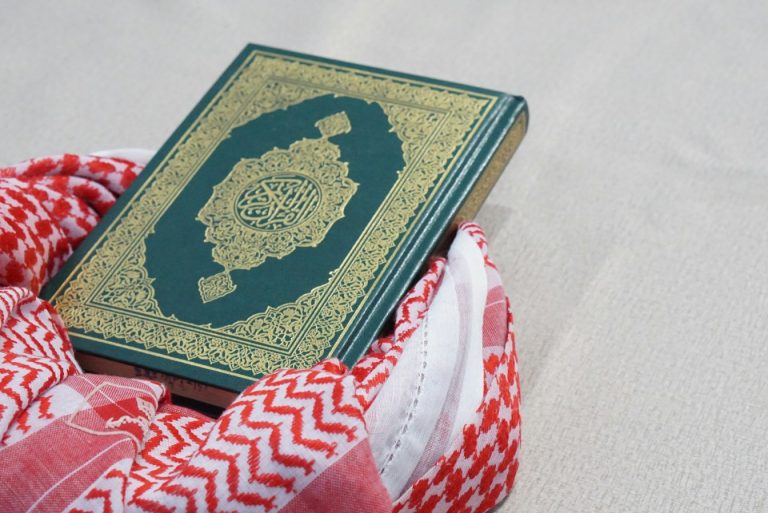

Understanding the Essence of Being a Muslim in Today’s World
What Does It Mean to Be a Muslim?
When we hear the word “Muslim,” the first things that might come to mind are prayer, fasting, or maybe wearing a hijab or growing a beard.
But being a Muslim goes far beyond outward expressions.
At its core, being a Muslim means submitting to Allah (SWT) not just once in a while but in every aspect of life.
The word “Muslim” itself comes from the Arabic root “S-L-M,” which is shared with the word “Islam,” meaning peace through submission to the will of Allah.
A Muslim is one who submits. But submission isn’t passive it’s a conscious, active choice made out of love, reverence, and faith.
The Quran confirms this in a powerful verse:
إِنَّ ٱلدِّينَ عِندَ ٱللَّهِ ٱلْإِسْلَـٰمُ
“Indeed, the religion in the sight of Allah is Islam.”
(Surah Al-Imran 3:19)
What Makes the Muslim Identity Unique?
The Muslim identity is not just a cultural label or an ethnic background it’s a whole way of life.
It’s based on five key pillars: Shahadah (faith), Salah (prayer), Zakah (charity), Sawm (fasting), and Hajj (pilgrimage).
But the identity goes deeper than these actions. It’s a mindset, a worldview, and a moral compass.
1. Faith as the Foundation
The Shahadah bearing witness that there is no deity but Allah, and that Muhammad (PBUH) is His messenger is the bedrock of the Muslim identity.
This declaration is not a one-time statement but a lifelong commitment.
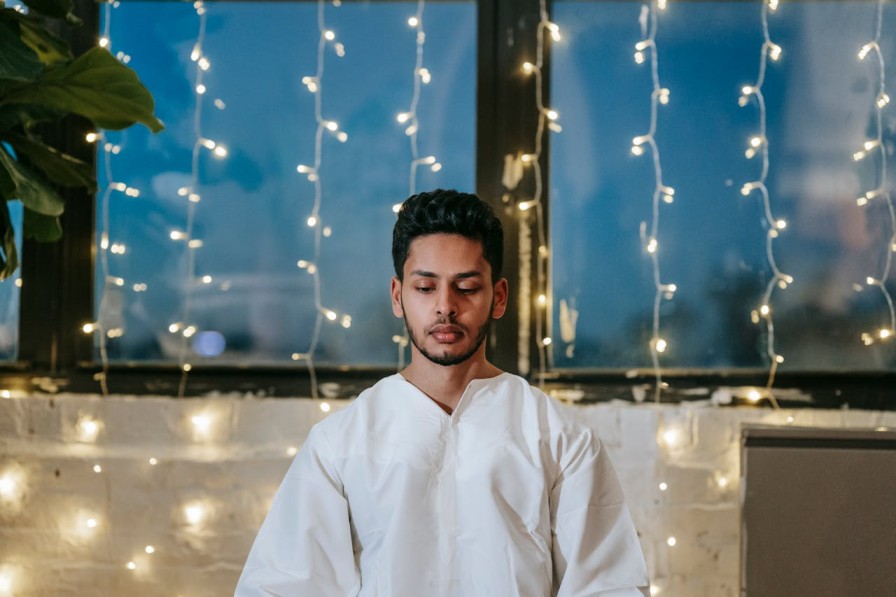
The Prophet (PBUH) said:
“Whoever says, ‘La ilaha illallah,’ sincerely from his heart, will enter Paradise.”
 (Sahih al-Bukhari, Hadith 5883)
This identity forms an unwavering connection to Allah and the legacy of the final Messenger.
2. Adherence to the Sunnah
A true Muslim not only follows the Quran but also the Sunnah (the lifestyle and sayings of the Prophet Muhammad PBUH).
The Prophet is the ultimate role model.
لَّقَدْ كَانَ لَكُمْ فِى رَسُولِ ٱللَّهِ أُسْوَةٌ حَسَنَةٌۭ لِّمَن كَانَ يَرْجُوا۟ ٱللَّهَ وَٱلْيَوْمَ ٱلْـَٔاخِرَ وَذَكَرَ ٱللَّهَ كَثِيرًۭا
“Indeed in the Messenger of Allah you have a good example to follow for him who hopes in (the Meeting with) Allah and the Last Day…”
(Surah Al-Ahzab 33:21)
Whether it’s in our eating habits, how we treat our neighbors, or how we lead our families, the Sunnah acts as a guide in daily life.
How Do Muslim Values Shape Our Identity?
What Are the Core Islamic Values That Muslims Should Uphold?
Muslims are expected to reflect key values such as:
- Tawheed (Oneness of God)
- Justice (`Adl)
- Compassion (Rahmah)
- Modesty (Haya)
- Honesty (Sidq)
These aren’t just nice concepts; they’re commandments. For example:
۞ إِنَّ ٱللَّهَ يَأْمُرُكُمْ أَن تُؤَدُّوا۟ ٱلْأَمَـٰنَـٰتِ إِلَىٰٓ أَهْلِهَا وَإِذَا حَكَمْتُم بَيْنَ ٱلنَّاسِ أَن تَحْكُمُوا۟ بِٱلْعَدْلِ ۚ
“Indeed, Allah commands you to render trusts to whom they are due and when you judge between people to judge with justice.”
(Surah An-Nisa 4:58)
Muslim identity is demonstrated through how we embody these values at school, at work, at home, and online.
How Does Modesty Play a Role in the Muslim Identity?
Modesty in Islam isn’t just about clothing; it’s about humility, dignity, and self-respect. This applies to both men and women.
قُل لِّلْمُؤْمِنِينَ يَغُضُّوا۟ مِنْ أَبْصَـٰرِهِمْ وَيَحْفَظُوا۟ فُرُوجَهُمْ ۚ ذَٰلِكَ أَزْكَىٰ لَهُمْ ۗ
وَقُل لِّلْمُؤْمِنَـٰتِ يَغْضُضْنَ مِنْ أَبْصَـٰرِهِنَّ وَيَحْفَظْنَ فُرُوجَهُنَّ وَلَا يُبْدِينَ زِينَتَهُنَّ إِلَّا مَا ظَهَرَ مِنْهَا ۖ
“Tell the believing men to lower their gaze and guard their private parts… And tell the believing women to lower their gaze and guard their private parts and not expose their adornment…”
(Surah An-Nur 24:30-31)
Muslim identity stands out in a world where immodesty is often normalized. Through hijab, loose clothing, and dignified behavior, Muslims affirm their submission to Allah not to social trends.
How Does the Muslim Identity Interact with Culture and Nationality?
Can One Be a Practicing Muslim and Still Embrace Their Culture?
Yes! Islam doesn’t erase culture; it corrects and elevates it.
The Prophet (PBUH) appreciated diversity among the Sahaba.
As long as cultural practices don’t contradict Islamic teachings, they are welcomed.
يَـٰٓأَيُّهَا ٱلنَّاسُ إِنَّا خَلَقْنَـٰكُم مِّن ذَكَرٍۢ وَأُنثَىٰ وَجَعَلْنَـٰكُمْ شُعُوبًۭا وَقَبَآئِلَ لِتَعَارَفُوٓا۟ ۚ إِنَّ أَكْرَمَكُمْ عِندَ ٱللَّهِ أَتْقَىٰكُمْ ۚ
“O mankind, indeed We have created you from male and female and made you peoples and tribes that you may know one another.”
(Surah Al-Hujurat 49:13)
Your dress, your food, your language these can all be part of your Muslim identity as long as they align with Islamic values.
What About Muslims Living in the West?
Muslims in non-Muslim majority countries often face a unique identity challenge.
But instead of hiding their identity, they’re encouraged to proudly represent Islam through good character and community service.
The Prophet Muhammad (PBUH) said:
“The best among you are those who have the best manners and character.”
 (Sahih al-Bukhari, Hadith 3559)
Being Muslim in the West means being ambassadors of Islam through kindness, professionalism, and principled living.
How Is the Muslim Identity Maintained in a Modern World?
What Are the Modern Threats to the Muslim Identity?
Muslims today face distractions that can dilute their identity:
- Materialism
- Social media influence
- Islamophobia and stereotypes
- Peer pressure

These challenges may lead to a weakened sense of self or even embarrassment about faith. That’s why Allah reminds us:
وَلَا تَهِنُوا۟ وَلَا تَحْزَنُوا۟ وَأَنتُمُ ٱلْأَعْلَوْنَ إِن كُنتُم مُّؤْمِنِينَ
“Do not weaken and do not grieve, and you will be superior if you are [true] believers.”
(Surah Al-Imran 3:139)
How Can Muslims Strengthen Their Identity?
Here are a few powerful ways:
- Learn your faith – Knowledge builds confidence.
- Surround yourself with good company – Friends influence habits and mindset.
- Be unapologetically Muslim – Say “In shaa Allah,” wear Islamic clothes, attend Jummah.
- Serve your community – Be the helping hand Islam teaches us to be.
- Engage in du’a and dhikr – Remembering Allah keeps the heart alive.
How Does the Muslim Identity Benefit the World?
What Does Islam Offer Humanity Through Muslim Character?
Muslims are meant to be caretakers of the Earth and supporters of peace and justice.
كُنتُمْ خَيْرَ أُمَّةٍ أُخْرِجَتْ لِلنَّاسِ تَأْمُرُونَ بِٱلْمَعْرُوفِ وَتَنْهَوْنَ عَنِ ٱلْمُنكَرِ وَتُؤْمِنُونَ بِٱللَّهِ ۗ
“You are the best nation produced [as an example] for mankind. You enjoin what is right and forbid what is wrong and believe in Allah.”
(Surah Al-Imran 3:110)
This identity fosters leaders, educators, healers, and peacemakers.
Muslims contribute to society with honesty, integrity, and compassion because Islam demands excellence in everything.
How Can Non-Muslims Understand the Muslim Identity Better?
Understanding comes from exposure, dialogue, and experience.
When Muslims live their identity fully, they naturally dispel myths and stereotypes.
A smile, a kind gesture, or a thoughtful conversation can be da’wah in action.
The Prophet (PBUH) said:
“Convey from me even if it is one verse.”
 (Sahih al-Bukhari, Hadith 3461)
Every Muslim can be a beacon of truth in their circle of influence.
Why Is the Muslim Identity So Important Today?
In an age of confusion and moral ambiguity, the Muslim identity stands as a beacon of clarity, purpose, and balance.
It isn’t about isolation it’s about standing firm while positively engaging with the world.
Holding onto one’s Muslim identity is like holding a torch in the dark it lights the way not just for you, but for others around you.
For Halal Business Listing Visit and Sign Up on Muslimee.com